Winter sports occupy a unique place in the athletic world because they combine human performance with an environment that actively works against the athlete. Cold temperatures reduce muscle elasticity, slow reaction times, and increase injury risk. Snow and ice remove stability and traction, forcing competitors to rely on technique, balance, and anticipation rather than raw strength alone.
Unlike many summer sports, winter disciplines are heavily shaped by external variables: weather changes, surface quality, altitude, and visibility. Two runs on the same slope can feel entirely different an hour apart. Ice conditions can vary within a single match. This unpredictability raises the skill ceiling and punishes complacency.
Winter sports also sit at the intersection of tradition and innovation. Many have deep cultural roots, while modern technology—carbon-fiber equipment, aerodynamic suits, advanced training analytics—continues to redefine what is possible. Understanding winter sports means understanding how athletes adapt to constraint, risk, and constant marginal gains.
Snow-Based Winter Sports: Speed, Endurance, and Terrain Reading
Snow sports are defined by movement across uneven, shifting terrain. The challenge is not just speed, but reading the surface and adjusting in real time.
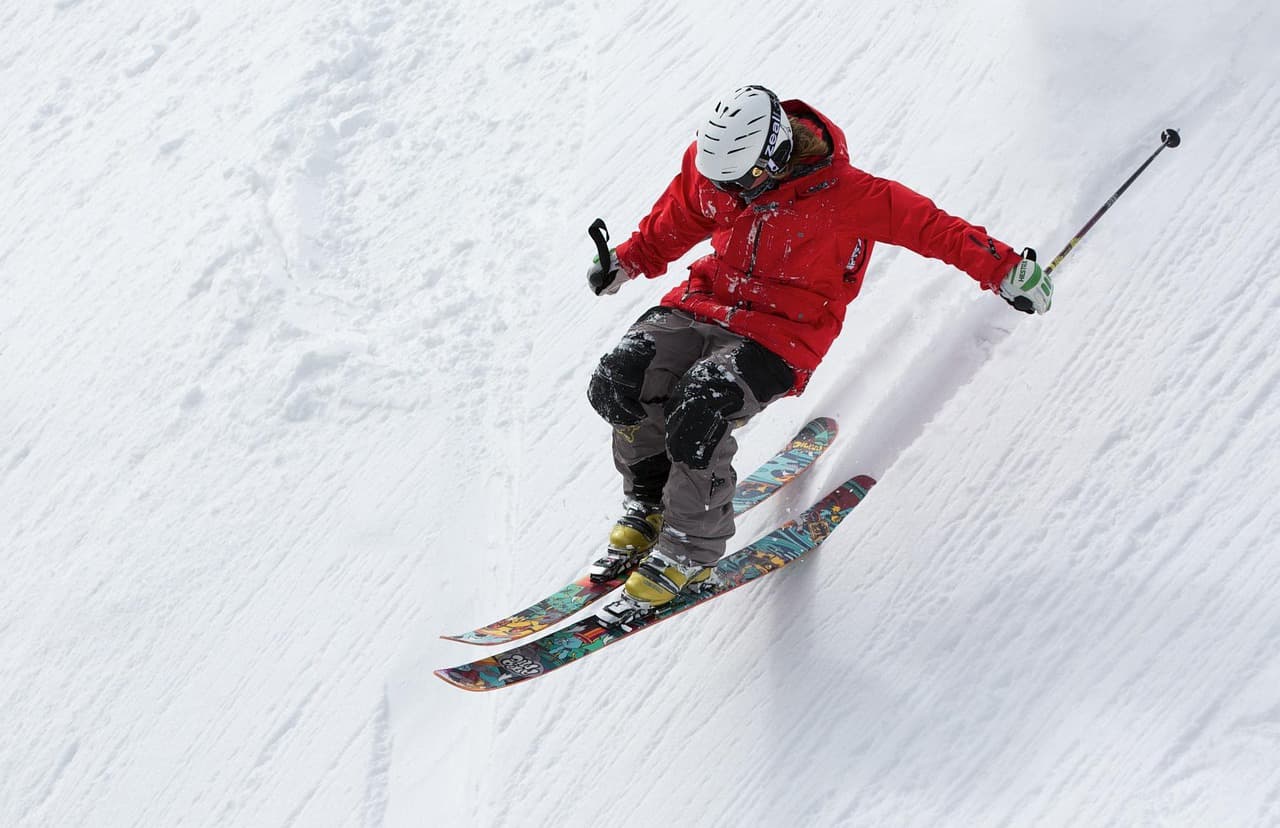
Alpine skiing is often associated with danger, and that reputation is earned. Downhill and super-G events push athletes to extreme velocities where reaction windows are measured in fractions of a second. Success depends on line selection, edge control, and the ability to absorb shocks without losing balance. Physical conditioning focuses heavily on leg strength and joint stability, particularly for knees and hips.
Cross-country skiing flips the narrative. It is one of the most demanding endurance sports in existence, engaging nearly every major muscle group. Athletes must manage pacing over long distances while dealing with cold air that stresses the respiratory system. Technique efficiency is crucial; wasted movement compounds quickly over kilometers of racing.
Snowboarding emphasizes creativity layered on top of technical difficulty. In halfpipe and slopestyle events, riders are judged on height, rotation, execution, and flow. Progression is relentless—tricks that won medals a few years ago are now baseline. This creates a constant tension between innovation and safety.
Freestyle skiing, including moguls and aerials, requires explosive power and precise timing. Athletes train acrobatics extensively off snow to reduce injury risk, yet competition conditions always introduce uncertainty. One misjudged landing can end a season.
Snow sports reward athletes who can blend aggression with restraint. Going all out is tempting, but control is what keeps competitors upright and competitive.
Ice-Based Winter Sports: Precision, Strategy, and Frictionless Control

Ice sports remove friction and expose flaws immediately. There is little room for correction once a movement begins.
Ice hockey is the most physically confrontational major winter sport. It combines sprint skating, stick skills, tactical awareness, and full-body contact. The sport’s stop-and-go rhythm places heavy demands on anaerobic capacity, while the constant threat of collision requires mental resilience. Team coordination and positioning often matter more than individual talent.
Figure skating is frequently underestimated because of its artistic presentation. In reality, it is a high-impact sport where jump landings exert multiple times body weight on the lower limbs. Athletes must balance flexibility, strength, and rotational speed while performing under judging scrutiny where small errors carry large penalties.
Speed skating is built on efficiency. Athletes maintain deep crouched positions to minimize air resistance, generating power through precise lateral pushes. Races are won by hundredths of a second, making equipment tuning and technique refinement critical. It is a sport where perfection is asymptotic—you can always be slightly better.
Curling stands apart as a strategy-first discipline. Success depends on reading ice conditions, anticipating stone movement, and executing shots with consistent delivery. Sweeping is physically demanding over long matches, but decision-making and communication ultimately decide outcomes.
Ice sports reward discipline and repeatability. Flashy moments matter less than consistent execution under pressure.
Conclusion
Winter sports persist because they strip performance down to fundamentals. Cold conditions magnify mistakes. Slippery surfaces punish hesitation. Equipment and technique become inseparable from the athlete.
These sports are not easily accessible. They require infrastructure, specialized gear, and often early exposure. Injury risks are real, and careers can be short. From a purely practical standpoint, winter sports are inefficient ways to build mass participation.
Yet their appeal lies exactly there. They represent controlled risk. They demand respect for uncontrollable forces. Athletes who succeed do so not by dominating the environment, but by adapting to it.
In an era increasingly focused on comfort and predictability, winter sports remain compelling because they resist both. They reward preparation, humility, and precision—and they remind us that excellence often emerges where conditions are least forgiving.